Subscribe to Newsletter
 Donate
 Shop
Shop 0
0





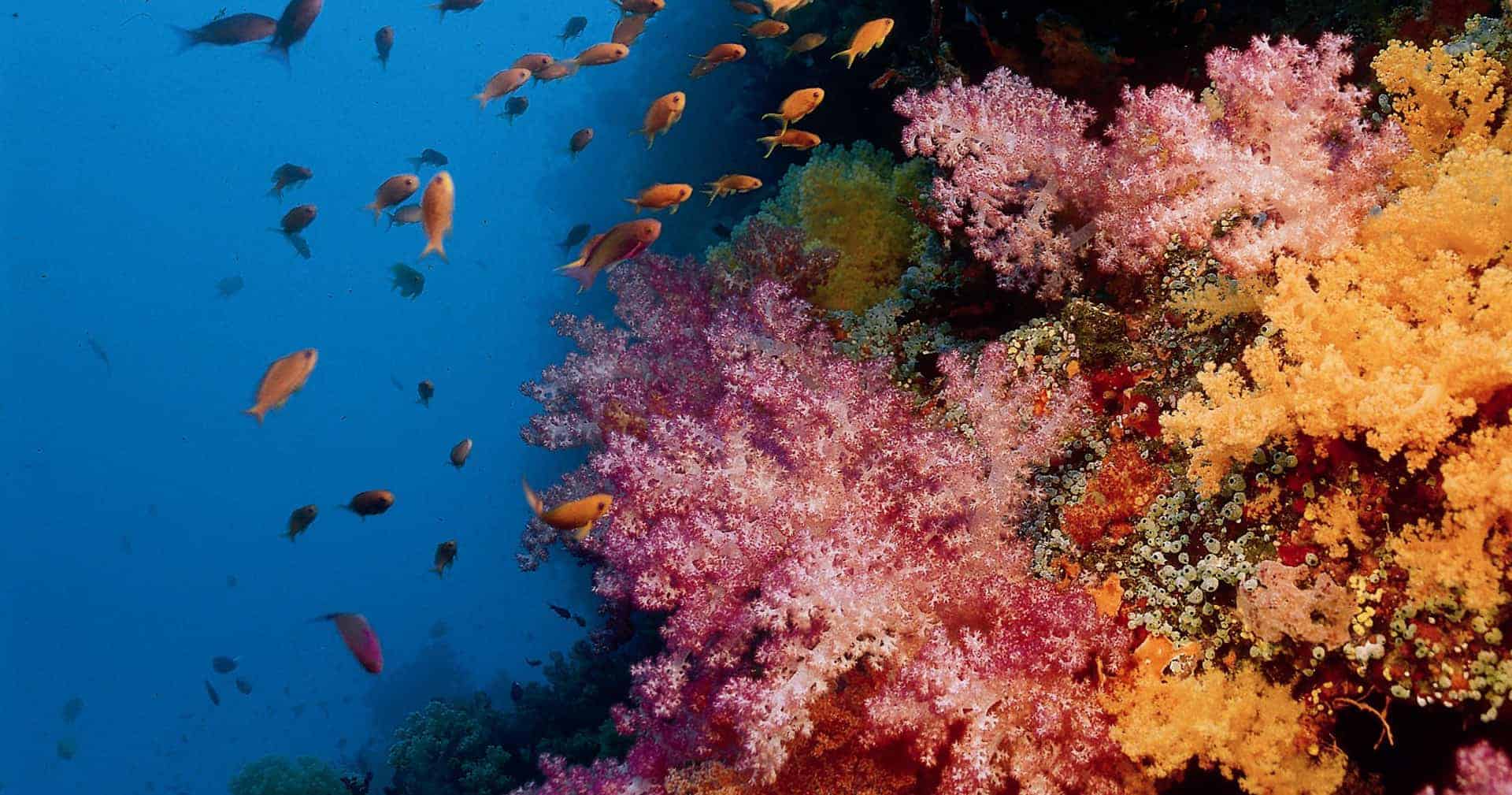

By Dr. Mohammed M. A. Kotb, Reef Check Coordinator and EcoDiver Course Director
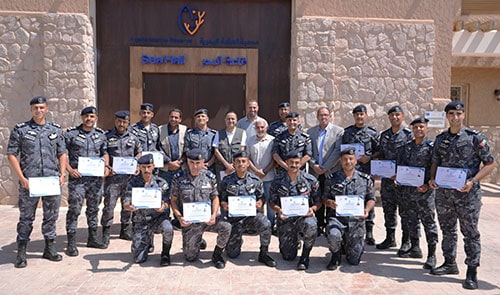
Between August 24-28, 2025, Aqaba hosted a specialized training program that marked a significant step in advancing marine conservation in Jordan. The five-day course, entitled “Reef Check EcoDiver”, was carried out in cooperation with the United Nations Development Programme (UNDP) as part of the Global Fund for Coral Reefs (GFCR) initiative.
This training was not a conventional workshop; it represented the fusion of science, practice, and national commitment to safeguarding one of Jordan’s most valuable natural assets: its coral reefs. Designed for divers from the Royal Jordanian Navy, the program combined classroom learning with hands-on experience in the Aqaba Marine Reserve. Over three full days underwater, participants refined essential diving and monitoring techniques, from underwater communication and buoyancy control to safe movement practices and the systematic collection of scientific data. Complementing these field sessions were theoretical modules that focused on coral reef ecology, threats to marine biodiversity, and globally recognized monitoring protocols.
The rigor of the program was underscored by comprehensive examinations—both written and practical—ensuring that participants not only acquired knowledge but also demonstrated their ability to apply it in real-world conditions. The training followed the Reef Check methodology and allows data collected in Aqaba to contribute directly to regional and global conservation efforts. The program was led by Prof. Dr. Mohamed M. Kotb, Reef Check Course Director and Regional Coordinator for Red Sea Countries, with operational support from Mr. Mohammad Al-Tawaha of UNDP-Jordan.
Beyond the technical aspects, the course highlighted the value of institutional cooperation. The joint efforts of Aqaba Special Economic Zone Authority (ASEZA), the Jordanian Royal Navy, and UNDP illustrate how cross-sectoral partnerships can translate into tangible outcomes for biodiversity protection. By equipping national teams with advanced monitoring skills, Jordan is strengthening its frontline capacity to respond to the challenges of climate change, overfishing, and other human pressures on marine ecosystems.
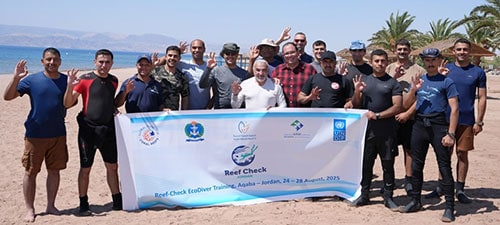
The significance of this initiative extends well beyond the training itself. It aligns with Jordan’s broader strategy under the GFCR programme, which integrates conservation with sustainable development. Coral reefs in the Gulf of Aqaba provide essential ecosystem services—supporting fisheries, sustaining tourism, protecting coastlines, and harboring rich biodiversity. Ensuring their resilience is therefore not only an environmental necessity but also a socio-economic priority.
As the newly trained environmental divers take on their responsibilities, they will contribute to a growing national effort to monitor and protect coral reefs, generate high-quality data for decision-making, and inspire a culture of stewardship. The program in Aqaba stands as a model of how practical training, science-based methodologies, and strong partnerships can converge to create lasting impact for marine conservation.